
Architectural audio with a quieter presence
The room keeps its rhythm. The music still fills it.
A beautifully composed ceiling has its own visual order. Lighting, air returns, shades and speakers all compete for attention unless they are planned together. James Small Aperture speakers reduce that visual interruption by delivering sound through a modest round or square grille.
The speaker remains accessible, but its opening can be coordinated with nearby architectural details. SES uses that flexibility to create whole-home audio that feels intentional in the room, not added after the design is complete.
A different kind of discretion
Small aperture is not the same as invisible.
An invisible speaker is finished behind the wall or ceiling surface. A Small Aperture speaker uses a small visible grille, commonly three or four inches on the James models highlighted here. That grille provides a deliberate architectural detail and preserves access to the speaker. For many homes, it is the right balance between visual restraint, serviceability and strong room coverage.
Coordinated
Round or square trim can be considered alongside lighting and ceiling details.
Purposeful
Different enclosures support compact, flagship and shallow-depth applications.
Serviceable
The modular design supports construction coordination and future access.
Three useful building blocks
Build the experience around the room.
James offers a broader Small Aperture family than the examples below. These three models show how SES can combine discreet full-range speakers and concealed bass without treating every room the same way.
Compact starting point
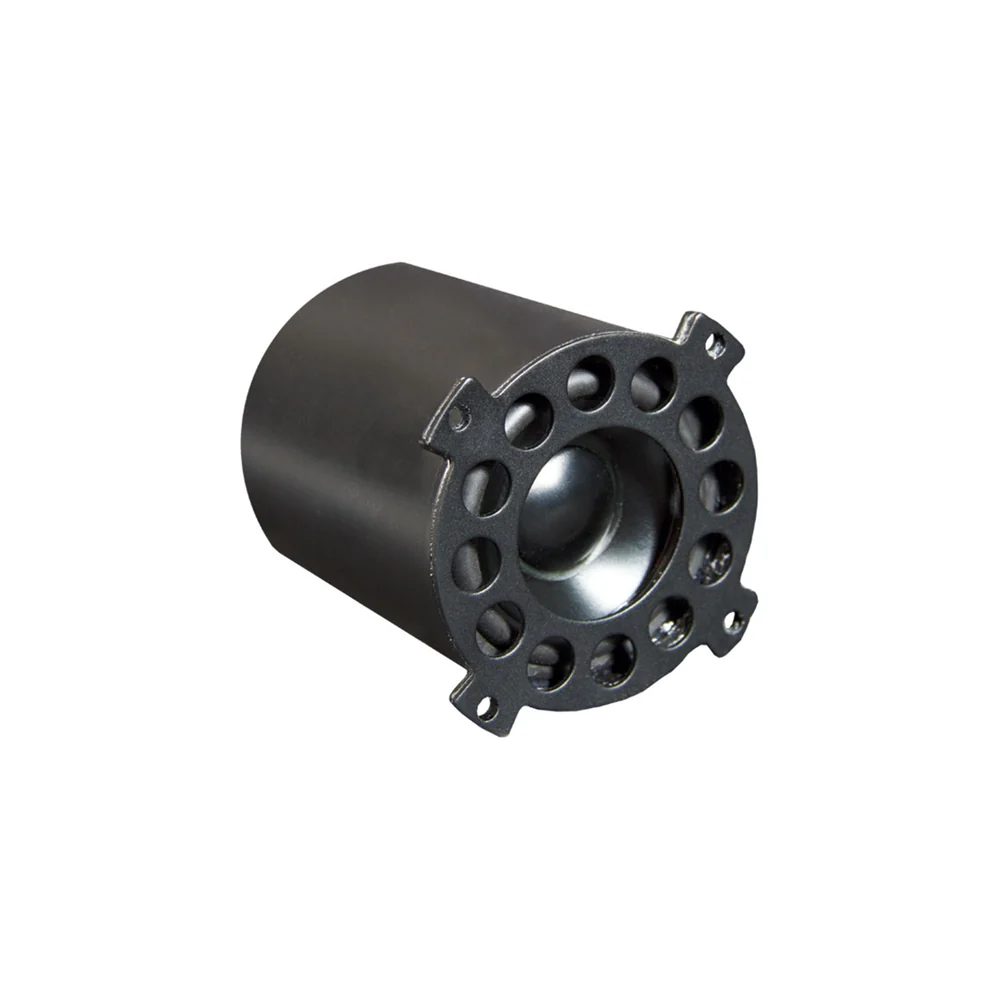
SA42-4
James describes the SA42-4 as its most compact Small Aperture in-wall or in-ceiling speaker. Its three-inch grille makes it a useful starting point for spaces where the visual footprint matters as much as the listening experience.
Flagship full-range option
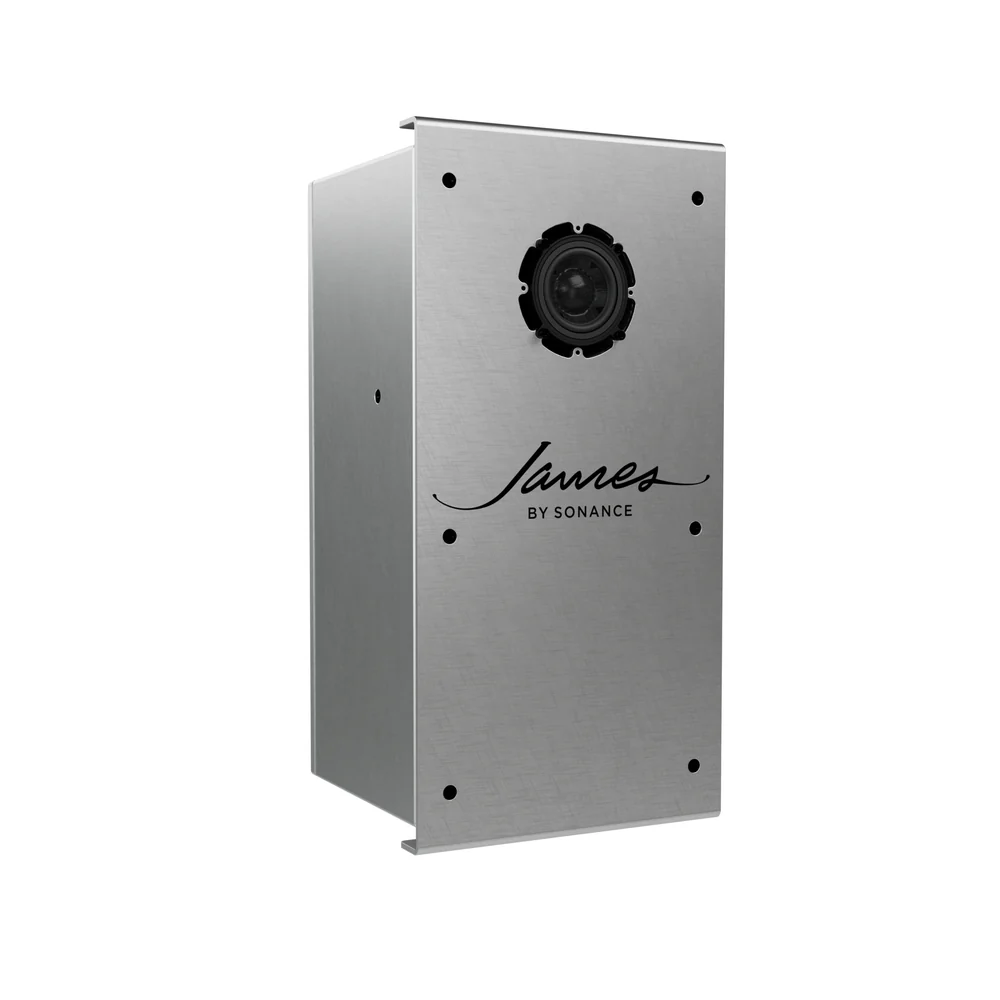
SA68
The SA68 combines a 6.5-inch woofer and full-range module behind a choice of three-inch or four-inch trim. SES can consider it for primary living spaces that need greater range while maintaining a restrained architectural appearance.
Concealed low-frequency support
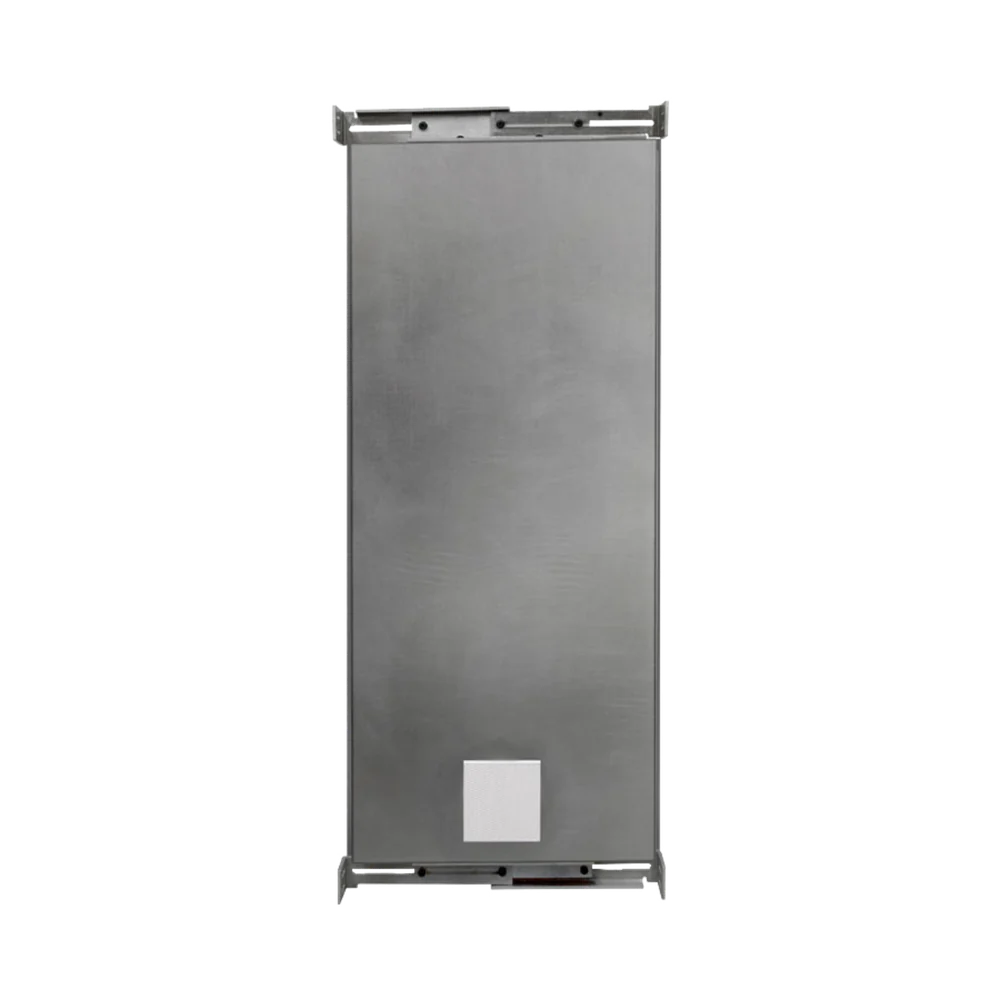
SA54-4-SUB
This shallow in-wall subwoofer is designed for a 2×4 stud wall and leaves only a small grille visible. It gives SES another way to support fuller music without placing a conventional subwoofer cabinet in the room.
What SES plans behind the finish
The smallest visible detail still needs a complete system.
The grille is only the part you see. Above the ceiling or inside the wall, the enclosure must fit the framing, avoid conflicts with structure and mechanical systems, and connect to correctly planned wiring. The selected speakers also need amplification, source access, control and suitable bass support.
SES coordinates those decisions before installation. We confirm speaker locations, construction depth, trim style, wire paths, equipment space and control zones, then install and tune the finished system. When lighting and shades are part of the same project, their visible elements can be planned together.
From one room to the whole home
Use discretion where the architecture asks for it.
A kitchen, great room, hallway and primary suite do not have identical acoustics or listening priorities. SES can mix speaker types across the property, using Small Aperture models where the interior design calls for a smaller visible element and other speaker formats where they make more sense.
Send us the plans, room photos or a simple list of the spaces where you want music. We will shape the speaker, bass, amplification and control approach into one coordinated proposal.